Learn more
Learn more
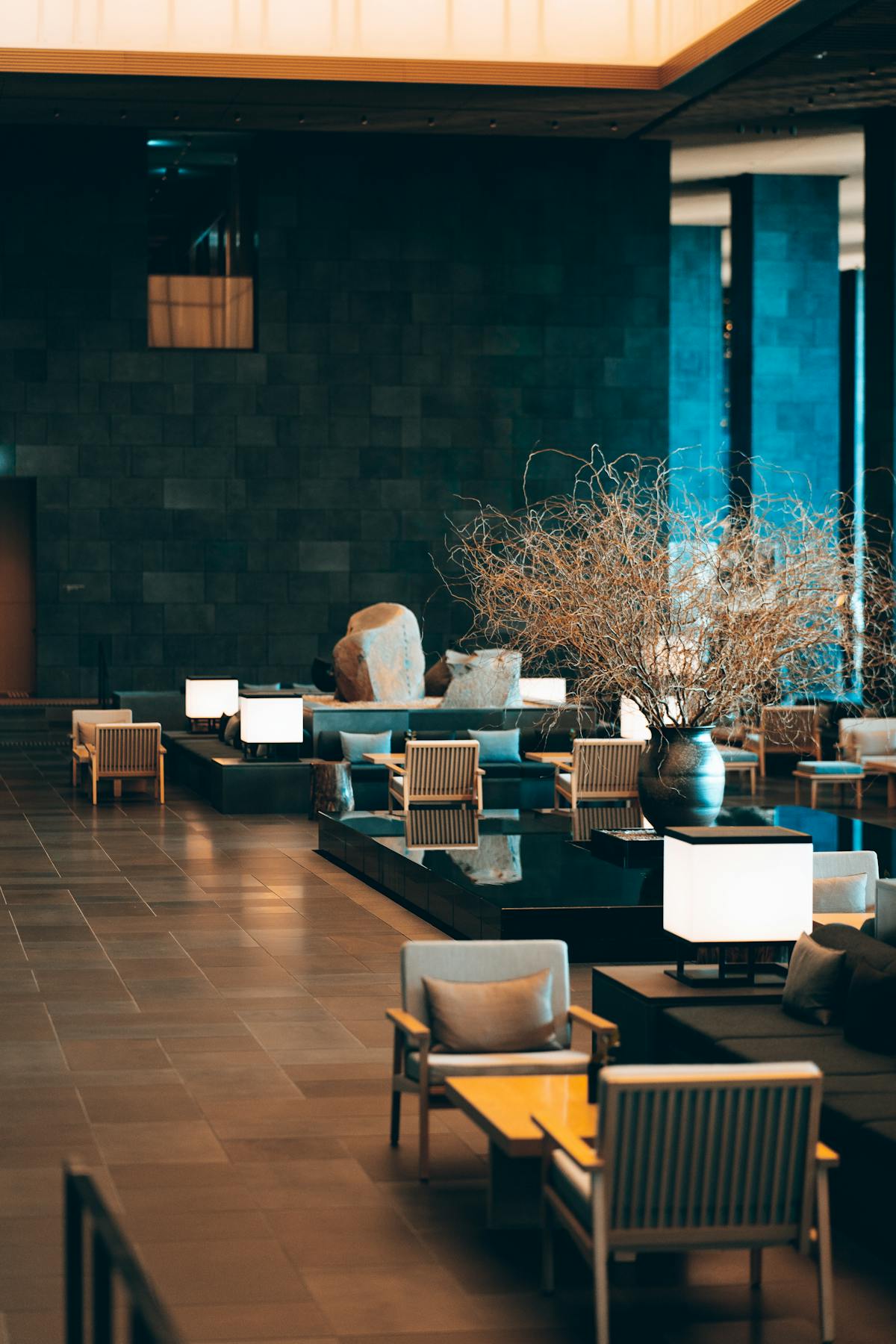
Most hotels compete on product: the room, the F&B offering, the location, the amenities. The ones that achieve lasting commercial outperformance compete on brand strategy: what they stand for, the story they tell, and the cultural position they occupy in the minds of the guests they most want to attract.
This guide covers what brand strategy means for hotels and hospitality groups, why it matters commercially, and how the strongest hospitality brands in the world actually build and sustain their position.
Brand strategy is the deliberate work of defining and expressing what a hotel stands for — beyond its product attributes. It encompasses positioning (how the hotel is differentiated from alternatives), identity (the visual and verbal language that expresses that positioning), and culture (the internal beliefs and behaviours that make the positioning real).
For hotels, brand strategy determines: Which guests you attract. What price premium you can command. How staff understand and deliver the guest experience. What media, influencers, and cultural figures want to be associated with you. Whether your brand has value independent of your physical asset.
Hospitality is a category where the product is experiential and largely intangible. Guests cannot fully evaluate a hotel before they stay. They rely on signals: reputation, visual identity, word of mouth, cultural association, and the stories they have heard about a place. Brand strategy is what shapes those signals.
The most commercially successful hotel brands — Aman, Soho House, Ace, 1 Hotels — do not compete primarily on product. They compete on worldview. Their brand attracts guests who share that worldview and repels guests who don't. This is not a weakness. It is a commercial strength: a loyal, self-selecting audience that converts at higher rates, pays higher rates, and advocates without being asked.
Across the Middle East, a hospitality construction and investment boom is underway at a scale not seen before. Saudi Arabia's Vision 2030 targets 150 million annual tourism visits. The UAE continues to attract global hotel operators, independent concepts, and destination developments. In this environment, brand strategy is not optional — it is the primary differentiator between the projects that become cultural landmarks and the ones that open quietly and compete on rate.
Across our work with hospitality brands in Australia and the Middle East, the brands that consistently outperform share several characteristics. They have a clear point of view — not just a design aesthetic, but a perspective on what hospitality should feel like and why. They express that point of view consistently across every touchpoint, from the visual identity to the staff culture to the media coverage they generate. And they treat their brand as an asset to be built over time, not a campaign to be executed for a season.
Our work with hotels and hospitality groups typically begins with a positioning exercise: what does this brand stand for, who is it for, and how does it differentiate from every alternative the target guest might consider? From there, we work across identity, communications strategy, PR, and placemaking to make the positioning real at every customer touchpoint.
The work is collaborative and iterative. Brand strategy is not a document — it is a set of decisions that get made every day by the people who run the hotel. Our role is to provide the clarity and the framework that makes those decisions consistent.